A sense of wonder
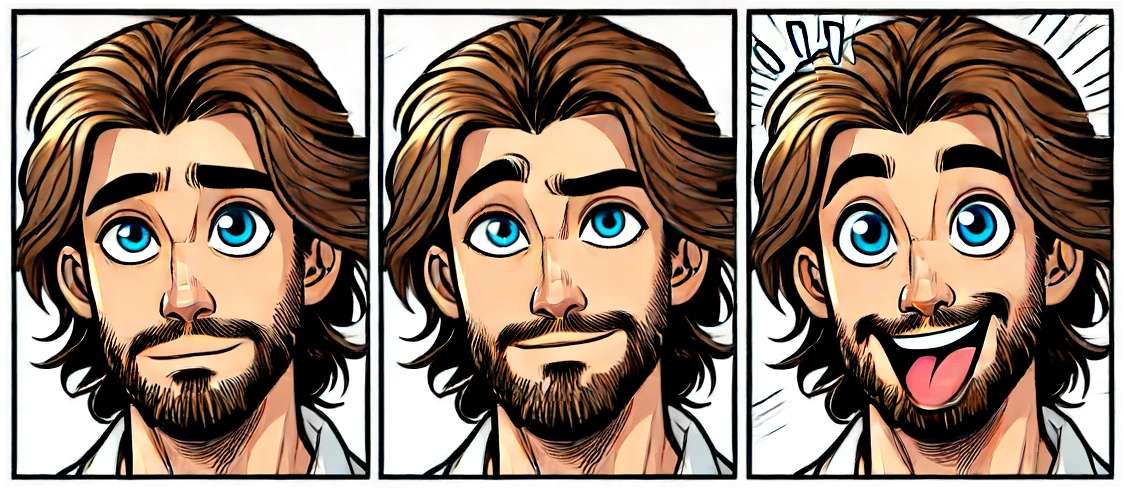
I was recently reminded of this word that I tend to use a lot, which was, without a doubt, embedded into my vernacular during my days at Random Studio. We talked about "creating a sense of wonder" in much of the work that we did. For years I just took that as an obvious fact. "Wonder. Yeah, it's what we sell". Then one day somebody asked the bleedingly obvious question. "So what exactly is wonder"? ...and none of us knew how to actually answer it. Somehow we had been talking about it like this obvious and uniquely sell-able product, yet we couldn't actually describe what it was without getting all wishy-washy and vague about it. It seemed to be just some kind of indescribable feeling. So we decided to take some time to sit down and actually talk about it - to get to the bottom of it. I remember the kick-off to that discussion SO well. It felt like I had admired a painting my whole life, and when finally asked what it meant to me, all I could say was that I liked it and that it was important and that it did, indeed, mean "something" to me. But what? ...and why? After much discussion and debate, we came up with something which I still use to this day. I think that the experience of wonder can be broken down into three simple steps. Kind of like a triple-take, really.
- Curiosity Something catches your eye and you immediately think "Hmmm, what's this?"
- Confusion You're a bit thrown off guard and think "Huh, what the heck?"
- Clarity The penny drops and you realise "Ohhhh damn, that's amazing!"
It's not easy to get right, and obviously not every project is going to call for "wonder". When one does come along though, this simple breakdown acts as a basic litmus test for me to validate if what I've created actually holds the ability to create a sense of wonder.
That's quite a heady process, Mark
The reason I find this interesting is that it reminds me that there are times when the "what" is the focus - those times when just creating and making and intuitively doing is absolutely vital and key to making amazing things. It's at those times that getting too cerebral can really throw a stick in the spokes, so to speak. The creation, the art, the process, the making of it all should just flow - and what can come from that almost care-free state can be remarkable. Sometimes, though, it's also important to take a pause, come up for a breath and to validate that what you're doing is what you actually set out to do. Sometimes asking the "how" and "why" questions at the right moments can be incredibly beneficial. Even if it does feel all a bit too theoretical, practical or heady for the creative process. As with everything, inevitably it's about striking the right balance between what your gut is telling you and what your brain is telling you - and learning to tap into them both as- and when needed.