The end used to be an event
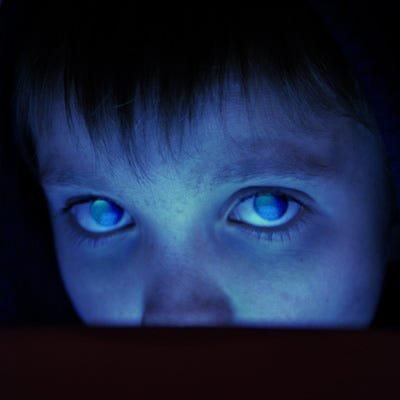
I've always been an "album listener". With the exception of radio, compilations and mixtapes (the mere memory of which just melts my heart), this really was the way to listen to music in the era of physical albums: Choosing an album, physically inserting it into its playing device and listening to it. A truly ritualistic experience. One of the side effects of experiencing tangible music mediums is that the moments of starting and finishing an album were clear. Just think about how involved the process of starting and ending an LP record is.
Intimacy and respect
My Innuendo cassette held out remarkably well through all of the 90s At a certain point in the late 00's I mostly stopped buying physical albums; yet in my subsequent years of digital listening I have always maintained that "album listening" is a more impactful and somehow more respectful way of listening to recorded music. Having recorded a few albums myself, I'm all too aware of the amount of thought that goes into just the arrangement of the songs on an album (in fact, thinking about the arc of the listener's experience is a service as close to user experience design I can think of). There's also something quite intimate about listening to a full album. Some albums are put together with subtle sonic transitions between each track, allowing them all to coalesce seamlessly into one single musical journey. Some albums have gentle beginnings which gradually crescendo to ultimately conclude with such an epic ending that its all I wait for throughout each and every listen. Nowadays, though, it seems that the places we get not just our music, but all of our entertainment, don't want us to ever stop. If you take a moment to think about it (...and clearly I have), there are so many examples now that illustrate how this natural ending has been taken away from us.
All of the content we consume
It's hard to even visit a website now without numerous popups, asking you to sign up to a newsletter or offering a discount code before you've even had a chance to peruse. YouTube autoplay will, unless you stop it within a few short seconds, keep on playing videos until the end of infinity. Spotify, too, will continue playing music at you until our ultimate digital apocalypse. Autoplay has become the doomscrolling of new media. "I'm watching TV but I find it hard to stay conscious. I'm totally bored but I can't switch off." -Anesthetize, Porcupine Tree
Anything to keep you for just a bit longer
Even when autoplay is turned off, these services still need to beg us for more of our time and attention. It's nigh on impossible to even come close to finishing a YouTube video or Netflix show without being presented with suggestions of what to watch next. Media companies and apps still tend to find other ways of getting their content in front of our eyes - and I suspect foul play is often at hand. In the case of YouTube, there are many, many reported cases of the autoplay setting being constantly turned back on (a bug, allegedly). HBO Max claims that the inability to turn autoplay off on their TV app is due to certain television manufacturer's TV settings?! I can obviously understand why they wouldn't want to really address this issue with any pace - our attention is just too valuable to their revenue model. Instagram does things in an even naughtier way, and you're likely to have noticed it yourself: opening up Insta will often, very briefly, show a post which you haven't seen yet, only to quickly (but very visibly) slide it down just a bit further down out of your immediate view, giving you just enough reason to scroll a bit further down to see what you missed. It's really quite clever, yet kinda evil at the same time. Even when it's done well, I wonder about how this affects us. One of my favourite features of Spotify is its song radio, which brilliantly takes a song that I choose to give me hours and hours of more listening that I will probably like - and it's scarily on point most of the time. What does this sort of thing do to my ultimate and overall valuing of this beautiful form of art in the long-run? 'The curse of "there must be more"' -Anesthetize, Porcupine Tree
It's up to us now
When it comes to entertainment, a beginning and an end used to be there to help frame an experience; but they are becoming harder to find now. Coupled with what seems like a growing societal feeling that the world is ending, I simply wonder what effect this has on a person's nervous system - a constant stream of sensation with absolutely no end in sight… I think it's quite obvious that we find ourselves here because the way we pay for the things we enjoy has been completely turned on its head. Infrequent purchases from random customers is no longer attractive - but our time and attention very much are - whether we're paying with money or not. So is there a way back to how things were? …and would I even want to go back? Is there a better way for "them" to do this, or is it all about my vigilance and self control? Again, so many questions - so I would love to hear your thoughts on this, dear reader. Are you happy with your experience of enjoying your favourite content nowadays? How would you like to see things change?
If you liked this article, you might also like…
By Lasse Hoile - www.porcupinetree.com, CC BY-SA 2.5, https://commons.wikimedia.org/w/index.php?curid=1666233 Please do yourself a favour and listen (really actually listen!) to the album "Fear of a Blank Planet" by Porcupine Tree (from start to finish, of course!). It was a major source of inspiration for this piece and, as always, Steven Wilson is a total and utter genius who remains light-years ahead of us mere mortals. You can find the album here on Spotify - or if you live in Amsterdam, you may borrow my physical copy any time! "It was very much conceived in the way bands used to conceive records in the '70s, where you've got two sides of vinyl, and you can lay down a piece of music which is around the 50-minute mark, which plays in a continuous way, and deals with the same subject matter, and tried to kind of immerse you in a world for that time." (read more) -Steven Wilson on Fear of a Blank Planet